What Ingredients Should I Look for in Salon Products?

Time:2026-07-08 Author:Mason
0%

In today's beauty industry, choosing the right salon products is essential. Consumers increasingly ask, "what ingredients should I look for in salon products?" A recent survey indicates that 68% of clients prioritize ingredient transparency in their salon selections. Knowing which ingredients offer benefits is crucial for maintaining hair health.

Professional-grade products contain active ingredients that significantly impact hair texture and strength. For instance, keratin is known for repairing damaged hair, while argan oil provides hydration and shine. The market also shows a growing demand for natural ingredients. Reports suggest that 45% of consumers prefer hair care products made from organic components. However, not all labels guarantee quality. It's vital to distinguish between marketing claims and scientifically-backed benefits.

As you explore salon products, consider the effectiveness and reliability of the ingredients. While some trends may promise quick fixes, they may lack long-term results. Engaging with professionals can enhance your understanding of which products suit your hair type. This approach helps navigate the overwhelming array of options available today.
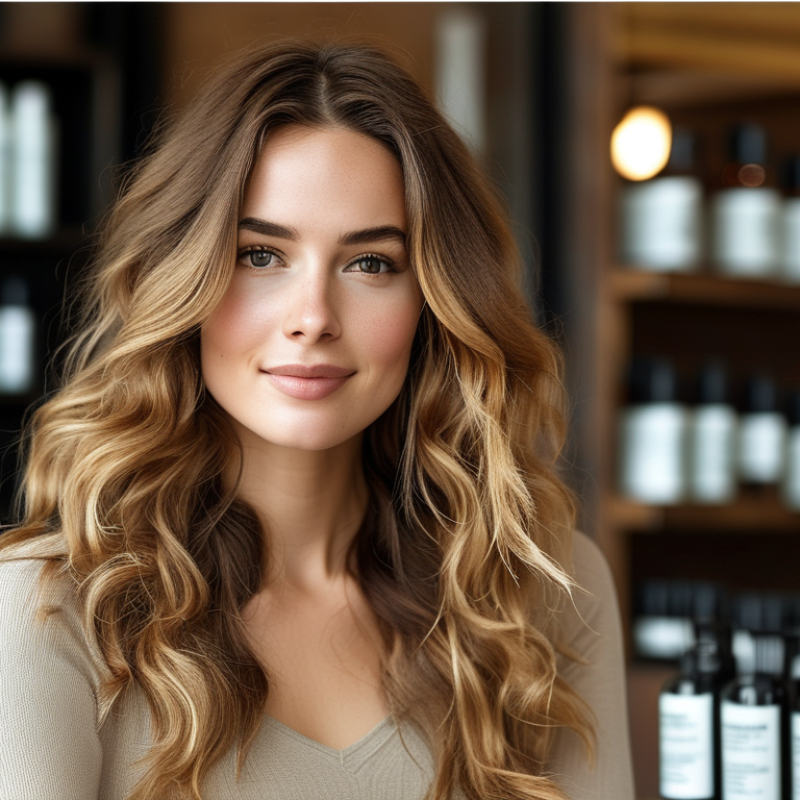
What Ingredients Should I Look for in Salon Products?

Key Natural Ingredients Beneficial for Hair Health

When selecting salon products, it’s vital to pay attention to natural ingredients that enhance hair health. For instance, aloe vera is a great option. It hydrates the hair and soothes the scalp. You might find its gel-like texture perfect for creating a light leave-in conditioner. Consider coconut oil as well. It penetrates deeply, providing moisture and reducing protein loss in hair. This makes hair shinier and less prone to damage.

Another beneficial ingredient is argan oil. Known for its nourishing properties, it can help tame frizz and enhance shine. You might fall in love with its rich, nutty scent. Look for shea butter too. This ingredient can help protect the hair from environmental stress. Using products with shea butter can offer long-lasting moisture, though it may feel heavy for some.

While natural ingredients are great, personal preferences play a role. Some people may not respond well to certain components, such as nut-based oils. It’s important to test products gradually. Always observe how your hair reacts over time. Everyone's hair is unique, and what works for one may not work for another. Tracking your experience can guide you in making informed choices.

Understanding Synthetic Ingredients and Their Effects

When selecting salon products, it’s crucial to understand the synthetic ingredients they contain. These ingredients are often designed for specific effects, such as enhancing shine or managing frizz. For instance, silicones are common in many products. They coat the hair, providing a smooth finish. However, while they create an immediate shine, they can also lead to product buildup. This buildup may weigh your hair down over time, leaving it dull and lifeless.

Another noteworthy ingredient is sulfates. They are effective cleansers, creating lather that many consumers enjoy. Yet, sulfates can strip natural oils from hair, especially for those with sensitive scalps. If you notice increased dryness after using sulfate-containing products, re-evaluating your choices is wise. Natural alternatives may better suit your hair's needs while providing the same cleaning power without the harsh effects.

Understanding the implications of synthetic ingredients is vital in making informed decisions. Your hair is unique; what works for one person may not work for you. Don't hesitate to experiment and pay attention to how your hair reacts. A little trial and reflection can lead to better results and healthier hair over time.

Common Harmful Additives to Avoid in Salon Products

When choosing salon products, it’s crucial to be aware of harmful additives. Many common ingredients pose health risks. For instance, formaldehyde, often found in hair smoothing treatments, can irritate the skin and eyes. The American Cancer Society warns about its potential link to cancer, emphasizing the need for vigilance.

Another ingredient to avoid is parabens. These preservatives might disrupt hormonal balance. Studies show that they can be absorbed through the skin. A report from the Environmental Working Group highlights concerns about their accumulation in the body over time. It’s essential to look for products labeled “paraben-free” to ensure safety.

Tip: Always read labels carefully. Look for alternatives with natural preservatives like rosemary or vitamin E. It’s also wise to research the brand's stance on ingredient safety. Seek out products that prioritize transparency and sustainability. This practice not only protects your health but also supports brands committed to safer practices.

Tips for Identifying Quality Salon Products

Choosing quality salon products can be overwhelming. Many consumers rely on labels, but ingredients often tell a deeper story. Research indicates that 70% of consumers don't fully understand ingredient lists. Familiarizing yourself with key components is essential.

Look for naturally derived ingredients. They are often better for hair health. Studies show that sulfate-free options can reduce dryness. Ingredients like argan oil and jojoba oil can enhance moisture retention. They nourish the hair without harmful additives. Additionally, avoid products with parabens and phthalates. These chemicals have raised health concerns and can disrupt hormonal balance.

Remember that scent and packaging can be deceiving. A product with a pleasant fragrance might contain synthetic ingredients. Seek transparency, particularly with brands that provide complete ingredient disclosure. Quality products often have a more straightforward ingredient list. Don’t hesitate to consult hairstylists for recommendations based on their experience. Their insights can guide you toward making informed choices.

What Ingredients Should I Look for in Salon Products?

Ingredient Benefits Common Uses Considerations
Keratin Strengthens and smooths hair Shampoos, conditioners, treatments May not be suitable for all hair types
Argan Oil Moisturizes and nourishes Hair oils, leave-in conditioners May be heavy on fine hair
Sulfates Cleans hair and scalp Shampoos Can be harsh and strip natural oils
Silicones Adds shine and smoothness Conditioners, styling products Can build up and weigh down hair
Protein Repairs and strengthens hair Masques, treatments Too much can make hair brittle

The Importance of pH Balance in Hair Care Products

When choosing salon products, pH balance is crucial. The human hair and scalp are naturally acidic, with an ideal pH ranging from 4.5 to 5.5. Many hair care products disrupt this balance, leading to issues like dryness and brittleness. Research indicates that using products with a balanced pH can enhance hair strength by up to 30%. This highlights the importance of checking pH levels on product labels.

Hair is composed of keratin, which can be damaged by highly alkaline formulations. Alkaline products open the hair cuticle, making strands prone to breakage. Additionally, studies show that maintaining proper pH can improve moisture retention, resulting in healthier looking hair. Salon professionals emphasize pH-balanced products for clients seeking to maintain hair and scalp health.

Reflecting on individual hair needs matters too. Some may find specific pH levels work better based on their hair type. It’s essential to trial different products and observe how hair reacts. Not every pH-balanced product will perform the same for everyone, but understanding pH can guide better choices. Taking time to learn this aspect of hair care could lead to significant improvements in hair quality.

FAQS

: What are beneficial natural ingredients for hair health?

: Aloe vera hydrates hair and soothes the scalp. Coconut oil reduces protein loss and adds shine.

How does argan oil benefit my hair?

Argan oil nourishes hair, tames frizz, and enhances shine with its rich, nutty scent.

Why should I consider shea butter in hair products?

Shea butter provides long-lasting moisture and protects hair from environmental stress. It might feel heavy for some.

What should I avoid in salon products?

Stay away from formaldehyde and parabens. They pose potential health risks and may disrupt hormones.

How can I ensure the products I choose are safe?

Look for "paraben-free" labels and seek alternatives with natural preservatives, like rosemary or vitamin E.

How can I identify quality salon products?

Research naturally derived ingredients. Avoid products with parabens and phthalates, as these have health concerns.

Are all hair products the same for everyone?

No, everyone's hair is unique. What works for one person might not work for another.

How can I track my experience with hair products?

Keep a journal of your product use and hair reactions over time for better decisions.

Is fragrance a reliable indicator of product quality?

No, a pleasant scent can be misleading. Always check the ingredient list for synthetic components.

Should I consult a hairstylist for product recommendations?

Yes, hairstylists can provide valuable insights based on experience, helping you make informed choices.

Conclusion

When considering what ingredients should I look for in salon products, it is essential to focus on both natural and synthetic components. Key natural ingredients such as argan oil, shea butter, and aloe vera can significantly enhance hair health by providing moisture, nourishment, and protection. On the other hand, understanding synthetic ingredients is crucial as they can have varying effects on hair, with some promoting shine and manageability, while others may lead to buildup or damage.

Additionally, it's important to steer clear of common harmful additives, such as sulfates and parabens, which can strip hair of its natural oils. To identify quality salon products, one should look for transparent labeling and a well-balanced pH level, as maintaining pH balance is vital for optimal hair health. By being informed about these factors, individuals can make better choices for their hair care routines.

Mason

Mason

Mason is a seasoned marketing professional with a deep expertise in the company's offerings and a passion for driving brand awareness. With a strong background in digital marketing strategies, he has an innate ability to connect with diverse audiences and effectively communicate product benefits.......