Global salon buyers need more than attractive packaging and a popular brand name. The right products must suit professional services, staff routines, and local customer preferences. A shampoo used at a busy wash station, for example, should be easy to dispense and clearly labeled. Small details matter.
For buyers asking, “what are professional salon products,” the answer includes hair color, care treatments, styling products, tools, and back-bar essentials designed for salon use. But product categories alone do not make a reliable purchasing guide. Buyers should review ingredient lists, usage instructions, packaging quality, supplier documentation, and claims that can be supported. Requirements and customer expectations differ across markets, so check applicable local rules before importing or selling.
Fit matters more than hype. A premium treatment may perform well yet prove impractical if staff need extra training or clients dislike its fragrance. Sample testing can reveal issues that brochures miss. So can feedback from stylists who use the products during a full workday. Pricing also deserves a closer look: compare cost per service, not just the wholesale price. A lower-cost bottle may require more product per appointment.
No single range suits every salon. Even a careful evaluation can miss something; that is worth admitting. This guide explores professional salon product categories, selection criteria, and supplier questions to help global buyers make informed decisions.
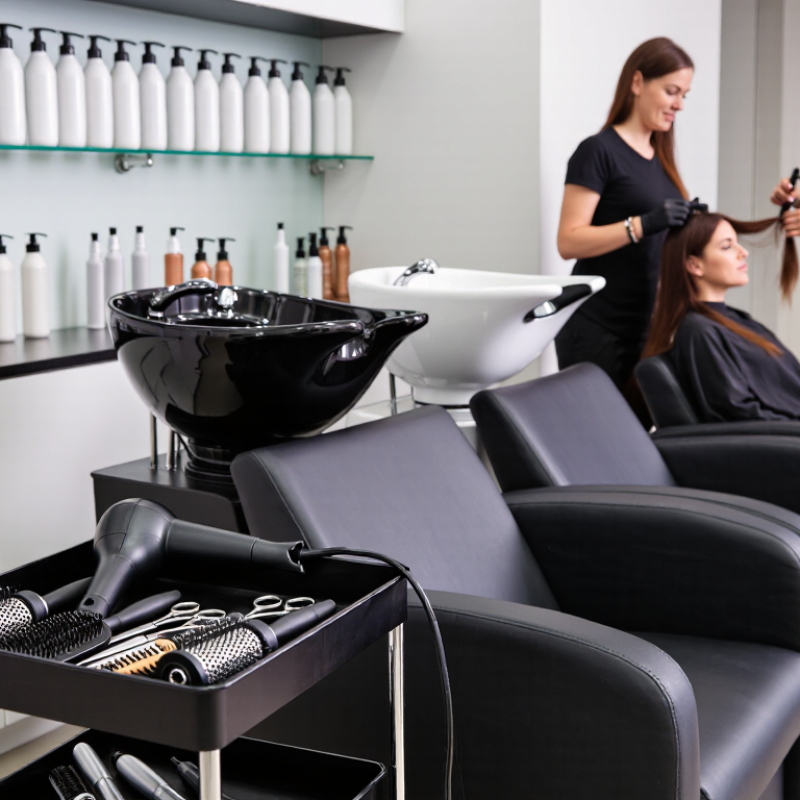
Top Professional Salon Products for Global Buyers?
Understanding the Professional Salon Product Category
Professional salon products are designed for repeated use by trained stylists in service settings. The category includes shampoos, conditioners, hair color, styling preparations, treatments, and tools. Some products support a specific service, while others help maintain results between appointments. The difference is not always obvious from packaging. A large bottle does not automatically mean professional quality.
Buyers can assess products by checking intended use, ingredient information, directions, packaging durability, and consistency between batches. A color service, for example, may require a coordinated system of color, developer, and aftercare products. Clear instructions matter. So does dependable supply. For international purchasing, confirm labeling, language needs, shelf-life details, and local import requirements with qualified partners before ordering. Category definitions can vary by market, and claims such as “salon grade” may not mean the same thing everywhere. I would not judge a product by its label alone; testing samples under realistic salon conditions can reveal practical issues, such as how a formula spreads or rinses. Some details are easy to miss.
A practical category overview for salon distributors, importers, and professional buyers. Product formats, pack sizes, and compliance requirements vary by supplier and destination market; verify specifications before purchasing.
| Product Category | Common Professional Use | Typical Product Formats | Common Salon Pack Sizes | Key Buyer Considerations | Storage and Handling |
|---|---|---|---|---|---|
| Shampoo and Scalp Cleansers | Hair and scalp cleansing before or between salon services; formulations may target different hair or scalp needs. | Liquid shampoo, clarifying shampoo, scalp cleanser | Professional back-bar bottles commonly range from about 500 mL to 1 L; retail sizes are often smaller. | Check ingredient list, intended hair type, fragrance, viscosity, dispensing compatibility, and local labeling rules. | Follow the product label; keep containers closed and protect from excessive heat and contamination. |
| Conditioners and Hair Masks | Detangling, conditioning, and treatment services after cleansing or chemical processing. | Rinse-out conditioner, intensive mask, leave-in treatment | Common salon formats include approximately 500 mL to 1 L bottles or tubs. | Review directions for use, hair-type suitability, rinse requirements, ingredient disclosure, and packaging durability. | Store as directed on the label; use clean dispensing practices for tubs and refillable containers. |
| Hair Color and Lightening Products | Permanent, demi-permanent, or temporary color services; lighteners are used to lift natural or artificial pigment. | Color cream or gel, powder or cream lightener, developer | Color tubes commonly contain around 60–100 g; developer and lightener sizes vary by professional line and market. | Confirm shade system, mixing ratios, compatible developer, warnings, ingredient restrictions, and required professional-use instructions. Patch testing may be required or recommended according to the product label and local rules. | Keep tightly closed and store according to label directions. Separate oxidizing products from incompatible materials. |
| Perming and Smoothing Products | Permanent waving, curl restructuring, or professional smoothing services. | Perm lotion, neutralizer, smoothing cream, after-treatment products | Often supplied in salon-use bottles, sachets, or multi-step kits; sizes depend on the service system. | Check hair-condition restrictions, service steps, processing guidance, ventilation needs, warnings, and compatibility with previously treated hair. | Follow the safety data sheet and label; keep components sealed and store away from heat or direct sunlight when specified. |
| Styling and Finishing Products | Hold, texture, volume, smoothing, and finishing for salon styling and retail recommendations. | Hairspray, mousse, gel, cream, paste, serum, heat-protection spray | Common formats range from roughly 100 mL travel or retail sizes to 500 mL or larger salon formats. | Consider hold level, finish, residue, aerosol shipping restrictions, packaging type, and destination-market labeling. | Aerosols may require special transport and storage handling. Keep away from ignition sources and follow product warnings. |
| Nail Products | Manicure and pedicure services, including nail preparation, color application, and finishing. | Nail lacquer, gel polish, base coat, top coat, remover, nail prep products | Polish bottles are often around 10–15 mL; professional removers and prep liquids may be supplied in larger bottles. | Verify curing requirements for gel systems, compatibility between system components, ingredient declarations, and transport classification for flammable liquids. | Many nail liquids are flammable; store and transport according to the label and applicable dangerous-goods rules. |
| Skin Care and Waxing Products | Facial and body treatments, cleansing, exfoliation, hair removal, and post-service care. | Cleanser, mask, exfoliant, hard or soft wax, pre-wax and after-wax products | Professional formats vary widely, from small treatment containers to larger wax tins or salon-use bottles. | Check intended area of use, ingredient and allergy information, hygiene requirements, temperature instructions, and market-specific cosmetic rules. | Some waxes require controlled warming before use. Follow heating and burn-prevention instructions on the product label. |
| Salon Disposables and Accessories | Supports hygienic service delivery, product application, and workstation organization. | Gloves, capes, towels, applicator brushes, mixing bowls, foils, neck strips | Usually supplied in multipacks or bulk cartons; quantity and material specifications vary by item. | Assess material, dimensions, durability, single-use or reusable status, and applicable workplace hygiene requirements. | Keep clean items dry and protected from dust. Follow supplier instructions for cleaning or disposal. |
Common choices include shampoos, conditioners, masks, styling products, and color-care items. Match them to the salon’s services and clients’ hair needs.
Consider details such as hair texture and buildup. A clarifying wash and lightweight conditioner may suit some clients, but not everyone.
Skin services may use cleansers, exfoliants, masks, and moisturizers. Nail services often need preparation products, finishing coats, removers, hand creams, and sanitation supplies.
Review ingredients, directions, intended use, and warnings. Packaging alone tells little.
Check seals, batch codes, storage guidance, and sample consistency. Ask for relevant testing documents, then confirm who issued them and which formula they cover.
No. Paperwork is only part of the assessment, and shipped stock may not perform exactly like samples.
Confirm local requirements for ingredients, label language, responsible-party details, and product claims. Approval in one market may not apply elsewhere.
Compare pack sizes and shelf life with actual usage. A simple usage log can help, though keeping it current takes discipline.
What are professional salon products? They are tools and supplies designed to support the services provided by trained salon professionals, including hair care and styling, skin care, nail care, and sanitation. Choosing suitable products begins with understanding their intended use, performance, ingredients, packaging, and safety information. Salon buyers should consider how products fit into daily workflows, the level of training required, and whether clear instructions and consistent quality are available.
When comparing suppliers, look beyond unit price to assess product reliability, delivery options, minimum order quantities, and customer support. Check that products meet the applicable quality, labeling, and safety requirements for the intended market, and review documentation before purchasing. Regional climate, customer preferences, salon service menus, and storage conditions can all influence selection. A thoughtful purchasing plan helps salons balance quality and cost, maintain dependable stock, and choose products suited to both professional needs and local customers.

 Jura Beauty